Payroll And Bookkeeping Services: Futureproof Your Business with Bookkeeping Services
Bookkeeping System Setup: Managing Your Little Company'S Financial Records Is Important For Its Success
Picking The Right Bookkeeping System
Browsing the labyrinth of bookkeeping systems can feel like an overwhelming quest, particularly for the budding business owner. It's not just about crunching numbers; it's about discovering a rhythm that resonates with your service's distinct heart beat. Believe of it by doing this: would a master chef use a blunt butter knife to julienne veggies? Obviously not! Your bookkeeping system needs to be the sharpest tool in your monetary arsenal.
Manual vs. Digital: The Age-Old Debate
For some, the soothing rustle of paper ledgers and the methodical click of a pen provide a sense of control. This conventional method, typically involving spreadsheets or even physical journals, can be exceptionally instinctive for those with very low deal volumes. It's comparable to tending a small garden by hand-- every plant gets private attention. As your organization blooms, the sheer volume of billings, invoices, and payments can quickly change that relaxing garden into an overgrown jungle. Errors increase, reconciliation becomes a Herculean job, and all of a sudden, your valuable time is swallowed by administrative quicksand. Is this truly the very best usage of a small company owner's day?
The Digital Leap: Cloud-Based Solutions
The digital age has actually ushered in a huge selection of cloud-based accounting solutions, changing how small services handle their finances. These platforms offer unequaled benefit, allowing you to access your financial information from practically anywhere, at any time. It's like having a monetary assistant living in check here your pocket, constantly prepared to upgrade journals or create reports. This ease of access is a game-changer for entrepreneurs who are constantly on the relocation, handling several duties. These systems typically automate laborious jobs, from categorizing costs to fixing up bank accounts, substantially lowering the potential for human mistake. Think of the comfort understanding your books are always updated, prepared for tax season or an unscripted monetary evaluation.
When considering a digital service, ponder the following:
- What is your convenience level with technology?
- How numerous deals do you process month-to-month?
- Do you need to incorporate with other business tools, such as point-of-sale systems or payroll software application?
- What level of monetary reporting do you require?
- How important is automated invoicing and expense tracking?
Scalability and Support
A vital, yet frequently ignored, aspect of choosing a bookkeeping system is its scalability. What works for a solo venture today might buckle under the weight of a growing business tomorrow. Your selected system should have the ability to progress with your company, accommodating increased deal volumes, additional users, and more complex monetary requirements. Believe long-term. Will this system still serve you well when your company employs five individuals, or fifty? Moreover, consider the accessibility of customer assistance. When you experience a snag, having readily accessible assistance can be a lifesaver, transforming minutes of aggravation into quick resolutions. Keep in mind, the right accounting for small company system is not simply a tool; it's a strategic partner in your journey to monetary clearness and continual growth. It needs to simplify, not make complex, your financial life.
Recording Financial Deals Precisely
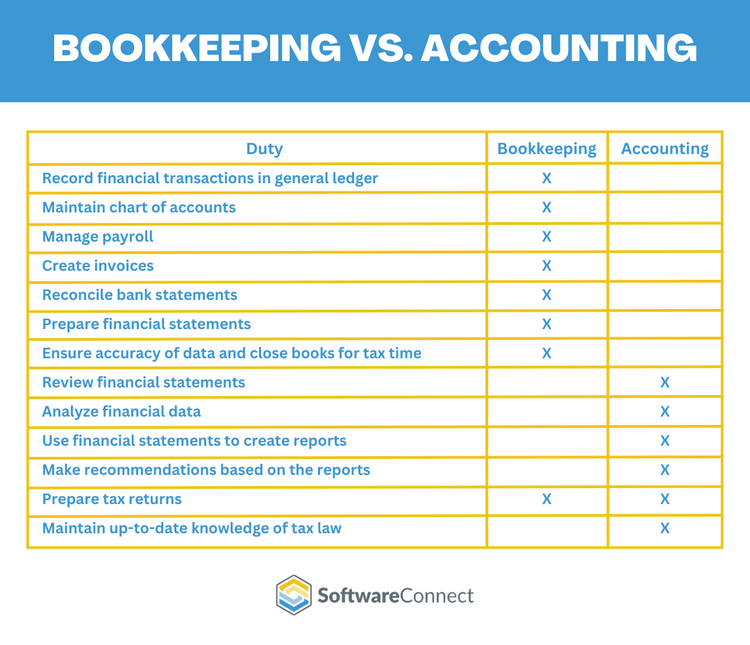
The bedrock of any thriving small company? Impressive record-keeping. Consider your monetary transactions as the heartbeat of your enterprise; if it skips a beat, or even worse, flatlines, you're in for a rough ride. Numerous entrepreneurs, often brimming with passion for their item or service, discover themselves adrift in a sea of invoices and invoices. Ever heard the one about the shoebox filled with crumpled papers? It's not just a cliché, it's a common truth for lots of fledgling services, leading to a scramble when tax season looms or when seeking financing. What good is a dazzling idea if its monetary underpinnings are unsteady?
The Peril of Unreconciled Accounts
One of the most substantial difficulties small companies encounter is the gorge in between their bank declarations and their internal records. This disparity, frequently subtle initially, can snowball into a huge job, obscuring the true monetary health of business. Envision trying to browse a dense fog-- that's what unreconciled accounts feel like. Forgetting to log a small, recurring subscription, or miscategorizing a large purchase, can shake off your entire system. The causal sequence extends beyond simple trouble, affecting everything from money flow forecasts to accurate profit and loss statements. Do you genuinely know where every dollar goes, or where it comes from?
To prevent this typical risk, think about these specialist insights:
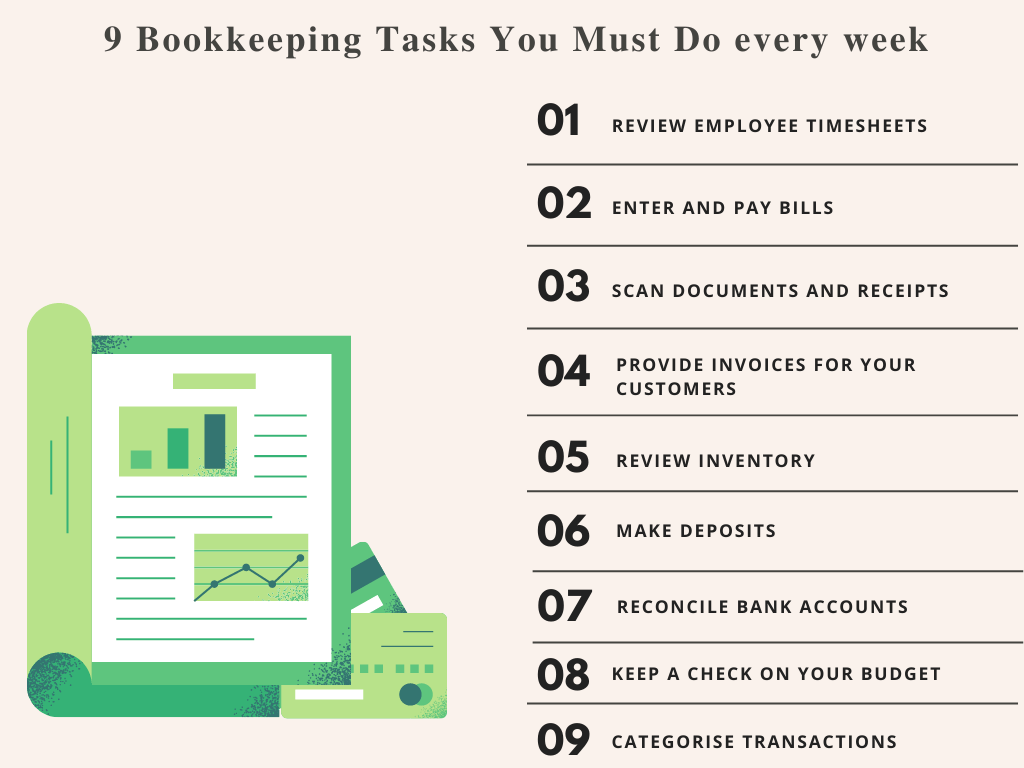
- Daily Discipline: Make it a non-negotiable routine to log deals daily, or at least, every other day. This isn't about being compulsive; it has to do with avoiding a mountain from forming out of molehills.
- Categorization is King: Develop a consistent, clear chart of accounts from the start. This frequently neglected step is paramount. Are those workplace provides an administrative expense or a marketing cost? Clarity here saves tremendous headaches later on.
- Digital Tool Utilization: While a spreadsheet may suffice for the really tiniest operations, purchasing dedicated bookkeeping software application can be a game-changer. These platforms automate much of the information entry and reconciliation, significantly reducing human mistake. Consider it as having a vigorous assistant dedicated entirely to your finances.
- Routine Reconciliation: Do not wait up until month-end. Reconcile your bank and charge card declarations with your internal records weekly. This proactive approach enables you to catch mistakes or disparities while they are still little and easily rectifiable. A quick check now saves hours of investigator work later on.
Understanding the nuances of financial deal recording isn't practically compliance; it has to do with empowerment. It provides you the clarity to make educated decisions, recognize spending patterns, and identify areas for development or expense reduction. Without precise data, your company choices are, at best, educated guesses. With it, you have an effective compass directing you through the often-turbulent waters of entrepreneurship. Keep in mind, every cent tells a story; guarantee yours is a real and accurate story.
Handling Payroll and Expenses: The Quiet Profit Drain
Ever seem like you're continuously chasing after receipts, playing investigator with bank declarations, and wondering where all your hard-earned cash vanishes? For lots of small company owners, the seemingly uncomplicated job of managing payroll and expenses becomes an overwelming maze, a quiet earnings drain that siphons away precious resources. This isn't simply about balancing books; it's about safeguarding your monetary health. Think of it like a leaking faucet: separately, each drip appears unimportant, but over time, it empties the entire tank. The most significant difficulty frequently isn't the complex calculations, but the large volume and varied nature of transactions, making it surprisingly simple for things to slip through the fractures. Are you diligently tracking every overhead, or are some falling by the wayside, costing you prospective tax reductions?
One common mistake is the commingling of personal and service funds. It's a practice many brand-new business owners fall under, a blurred line that makes precise cost tracking an outright nightmare. Picture attempting to discuss to an auditor why your grocery bill from last Tuesday is linked with your office supply purchases. This apparently harmless practice can cause significant headaches down the line, not simply with tax authorities however also in understanding your true success. How can you determine the health of your organization if you do not have a clear photo of its monetary inputs and outputs? Separate checking account and credit cards are non-negotiable. This isn't simply a suggestion; it's basic to sound bookkeeping for small business. Consider the often-overlooked location of employee expenditure reimbursements. Without a robust system, these can rapidly become a source of disappointment and inaccuracies. Do your workers comprehend the proper treatment for sending costs? Is there a clear approval process in location?
Simplifying Your Expenditure & & Payroll Processes
The solution depends on effective systems and a proactive frame of mind. For payroll, consider the advantages of direct deposit over paper checks; it reduces administrative problem and provides a clear audit path. Additionally, guarantee you understand the nuances of categorizing staff members versus independent professionals; misclassification can result in hefty charges. For expenditures, the power of digital tools can not be overstated. Ditch the shoebox loaded with crumpled receipts! Mobile apps created for expense tracking permit you to snap a picture of a receipt, categorize it, and even attach it to a particular task or customer, all in real-time. This not just conserves you time but likewise guarantees accuracy and makes year-end tax preparation significantly less complicated. What's more, carrying out a clear expense policy for your group, detailing what is reimbursable and what isn't, can avoid disputes and misunderstandings before they even emerge. A distinct policy serves as a compass, assisting everyone towards certified and efficient costs.

- Utilize dedicated business bank accounts and charge card.
- Implement digital cost tracking software for real-time capture.
- Automate payroll processes to decrease mistakes and save time.
- Establish a clear, written expenditure repayment policy for staff members.
- Regularly fix up bank declarations with your accounting records.
Remember the adage, "What gets measured gets handled." Without accurate expense tracking and careful payroll management, you're basically flying blind. You won't truly know your earnings margins, nor will you be able to make informed choices about growth or cost-cutting. This isn't simply about compliance; it has to do with tactical financial insight. Are you truly optimizing your deductions? Exist spending patterns you're uninformed of that could be optimized? The time purchased establishing robust systems for managing payroll and costs will pay dividends, releasing you to focus on what you do finest: growing your business.
Getting Financial Reports: The Unsung Hero of Small Company Bookkeeping
Ever felt like you're browsing a dense fog, attempting to make crucial company choices without a clear view? That's exactly what takes place when you neglect the power of well-generated financial reports. Numerous small organization owners, naturally swamped with day-to-day operations, view these reports as simple compliance documents. What if I informed you they are, in fact, your most powerful compass?
The Real Obstacle: Disorganized Data
The main stumbling block for most isn't the act of producing the report itself, but the chaotic, scattered data that precedes it. Picture attempting to bake a cake with components scattered throughout the kitchen area, some missing, others expired. That's the reality for lots of who have not embraced precise bookkeeping from day one. Transactions are logged haphazardly, invoices go missing out on, and bank reconciliations end up being Herculean tasks. This disarray inevitably trickles down, making the development of accurate monetary declarations a frustrating, error-prone venture. How can you genuinely comprehend your organization's health if the very details you're relying on is flawed?
- Profit and Loss Statement (P&L): This isn't simply about what you made and invested. It tells a story. Is your gross profit margin diminishing? Are operating costs spiraling out of control? An eager eye on your P&L can reveal if your prices strategy works or if you're spending beyond your means on marketing that isn't yielding returns.
- Balance Sheet: A snapshot of your monetary position at a specific minute. It information your properties, liabilities, and equity. Consider it as your service's net worth. Are your accounts receivable growing too large, suggesting collection concerns? Is your debt workable? This report provides crucial insights into your liquidity and solvency.
- Capital Declaration: Often neglected, yet perhaps the most essential. A lucrative organization can still go under if it runs out of cash. This report tracks cash being available in and going out, exposing if you have enough liquid funds to cover your responsibilities. It addresses the sixty-four-thousand-dollar question: where did the money go?
Professional Tips for Flawless Reporting
To produce significant monetary reports, cultivate a practice of everyday or weekly data entry. Do not let deals accumulate; it resembles trying to bail out a sinking ship with a thimble. Reconcile your savings account and credit cards consistently. This isn't almost catching errors; it's about ensuring every penny is accounted for, offering the pristine data needed for precise reporting. Consider implementing cloud-based accounting software application. These platforms automate much of the data entry and reconciliation, considerably reducing manual errors and saving important time. They likewise use adjustable report templates, making the generation process practically effortless. Remember, the clearer your data, the sharper your insights. What story do your numbers outline your organization's future?